
Actinic Keratosis
Actinic keratosis (AK) is a rough, scaly patch on the skin caused by prolonged ultraviolet exposure. Fair-skinned people living in high-UV environments are particularly susceptible. Left untreated, a small proportion of AK lesions can progress to squamous cell carcinoma, so early attention matters.
Key points
- This rough, scaly patch results from cumulative sun damage, and a small proportion of lesions can progress to skin cancer.
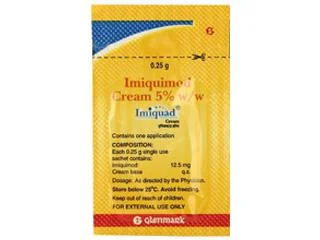
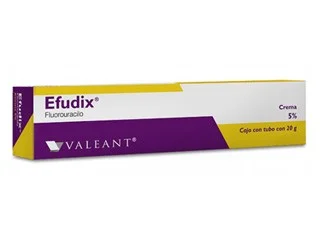
- Topical treatments work differently: one stimulates the immune system to clear abnormal cells, another destroys damaged cells directly.
- Any lesion that starts changing in shape, bleeding, ulcerating or enlarging quickly needs a doctor’s assessment without delay.
Topical treatments for actinic keratosis
For isolated or multiple lesions, topical creams are a common first approach. Imiquimod works by stimulating the local immune response to clear abnormal cells, while fluorouracil is a cytotoxic agent that selectively targets and destroys rapidly dividing damaged skin cells. Both are used under the broader umbrella of skin care and, given AK’s malignant potential, sometimes discussed alongside oncology support resources.
If a lesion changes shape, bleeds, ulcerates, or grows rapidly, see a doctor promptly, these signs warrant clinical assessment beyond topical management.