
Otitis Media
Otitis media is an infection of the middle ear, the space just behind the eardrum. It is one of the most common reasons people seek medical care, particularly in children under five, though adults develop it too, often following a cold or upper respiratory illness.



Key points
- This infection of the space behind the eardrum is among the leading reasons small children in particular are brought in for care.
- Toddlers unable to explain ear discomfort may pull at the ear, seem unusually cross or struggle to settle at night.
- If the eardrum ruptures, pain can ease abruptly as fluid escapes, though the ear still needs to be checked afterwards.
- Where bacteria are the cause, the full antibiotic course should be finished even if symptoms improve well before it ends.
Recognising the infection
The typical picture includes ear pain, a feeling of fullness or muffled hearing, and sometimes fever. Young children who cannot describe ear pain may tug at the ear, become unusually irritable, or sleep poorly. In some cases the eardrum perforates and releases fluid, which can bring sudden relief of pain but needs proper follow-up. Bilateral infections (both ears) are more common in humid, tropical climates, where upper respiratory viruses circulate year-round.
Antibiotic treatment
Many mild episodes resolve on their own, but bacterial otitis media requires antibiotics. Oral cephalosporins are the usual first choice: cefuroxime covers the key bacterial causes reliably, while cefixime is commonly used where once-daily dosing improves adherence. Both belong to the antibiotics class and work by disrupting bacterial cell walls. A full course, typically five to ten days, is important even when symptoms ease early.
Seek medical attention promptly if pain is severe, fever is high, hearing loss persists beyond a few days after treatment, or symptoms recur shortly after a course of antibiotics.
Further reading
What is otitis media?
Otitis media is an infection of the middle ear, the space just behind the eardrum. It is one of the most common reasons people seek medical care, particularly in children under five, though adults develop it too.
What are the symptoms of otitis media?
The typical picture includes ear pain, a feeling of fullness or muffled hearing, and sometimes fever. Young children who cannot describe ear pain may tug at the ear, become unusually irritable, or sleep poorly. If the eardrum ruptures, pain can ease abruptly as fluid escapes, though the ear still needs to be checked afterwards.
How is otitis media treated?
Many mild episodes resolve on their own, but bacterial otitis media needs antibiotics. Oral cephalosporins such as cefuroxime and cefixime are the usual first choice, and both work by disrupting bacterial cell walls. Finish the full course even if symptoms ease early.
When should I see a doctor about otitis media?
Seek medical attention promptly if pain is severe, fever is high, hearing loss persists beyond a few days after treatment, or symptoms come back shortly after a course of antibiotics.
Which medicines for otitis media does Yasabai sell?
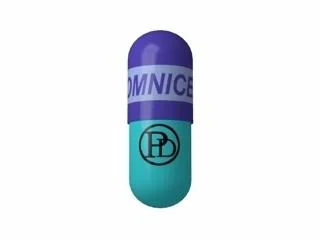
The medicines listed for otitis media include products containing cefixime, cefdinir and cefuroxime. Examples include Suprax and Omnicef. Each product page lists the strengths and forms.
Do I need a prescription for medicines for otitis media in Thailand?
No, not online. Yasabai does not ask for a prescription to order medicines for otitis media. We are an online store, not a dispensing pharmacy; we arrange your order and delivery on your behalf.
Ordering without a prescription →Do you deliver medicines for otitis media to Thailand?
Yes. Our pharmacy partners ship from India to Thailand and across Asia in discreet packaging. Standard Airmail takes up to 3 weeks; Express Tracked Courier takes up to 1 week.
How ordering works →