
Gouty Arthritis
Gouty arthritis is one of the most acutely painful joint conditions, caused by monosodium urate crystals depositing inside a joint. Attacks come on fast, often overnight, turning the affected joint red, swollen, and exquisitely tender. The big toe is the classic target, though the ankle, knee, and wrist are also frequently involved.
Key points
- Sudden swings in uric acid levels, not just a chronically high baseline, can be enough to trigger a flare.
- Certain anti-inflammatory drugs used for flares are gentler on the stomach than older members of the same drug family.
- Some people are genetically prone to excreting less uric acid, which raises their baseline risk of attacks.
What triggers a flare
Gout flares occur when uric acid levels in the blood stay persistently high. The body normally excretes uric acid through the kidneys, but a diet heavy in purine-rich foods (red meat, shellfish, organ meats), alcohol, or fructose-sweetened drinks can push levels beyond what the kidneys clear. Dehydration and sudden changes in uric acid levels can also precipitate an attack. Diets rich in seafood and a genetic tendency toward lower uric acid excretion can raise the risk of gout.
Easing an acute attack
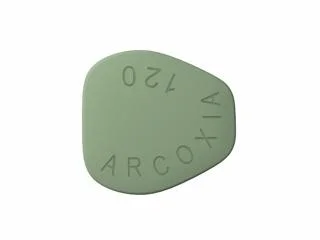
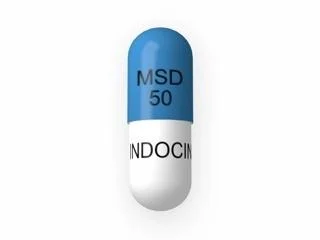
The goal during a flare is to reduce inflammation as quickly as possible. Anti-inflammatory medicines from the pain management category are the main tool, and COX-2 selective agents such as etoricoxib are widely used to bring down joint inflammation with a lower risk of stomach irritation than older NSAIDs. Keeping the affected joint elevated, avoiding pressure on it, and staying well hydrated help shorten the attack.
See a doctor if a flare lasts longer than a week without improvement, if you develop a fever alongside joint swelling, or if attacks are becoming more frequent. Recurrent gout warrants uric acid-lowering therapy to prevent joint damage over time.