
Acute Otitis Externa
Acute otitis externa is an infection of the skin lining the outer ear canal. It is often called swimmer’s ear because water trapped in the canal softens the skin and disrupts its natural defences, allowing bacteria to take hold. The result is pain that typically worsens when the outer ear is touched or pulled, along with itching, a feeling of fullness, and sometimes a clear or yellowish discharge.
Key points
- Trapped water weakens the ear canal’s protective skin barrier, allowing bacteria such as Pseudomonas to establish an infection.
- A hallmark sign is pain that gets worse whenever the outer ear is pulled or pressed.
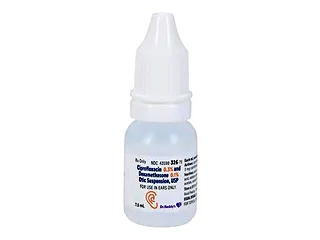
- Combined ear drops clear the infection while calming inflammation, and keeping the canal dry supports faster healing.
What drives the infection and how it is treated
The vast majority of cases are caused by bacteria, most often Pseudomonas aeruginosa or Staphylococcus aureus. Antibiotic ear drops combining ciprofloxacin (to clear the bacterial infection) with dexamethasone (to reduce inflammation and ease pain quickly) are a standard approach. Keeping the canal dry and avoiding cotton buds speeds recovery; a clean cotton plug when showering can help. If pain is severe, hearing is muffled, or symptoms have not improved after a few days of treatment, see a doctor promptly, as infection occasionally spreads beyond the canal.