
Bacterial Otitis Externa
Bacterial otitis externa is an infection of the outer ear canal. It is sometimes called swimmer’s ear because water trapped in the canal strips away its protective acid layer, letting bacteria take hold. Hot, humid climates make this one of the more common ear complaints during the wet season or after heavy pool use.
Key points
- The ear canal’s normally acidic skin keeps bacteria in check until trapped water or aggressive cleaning strips that protective barrier away.
- Pain that worsens when the outer ear is tugged, along with itching and swelling, is a characteristic sign of the infection.
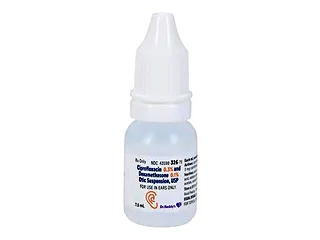
- Ciprofloxacin ear drops, often paired with dexamethasone to settle swelling faster, are the standard treatment approach.
What drives the infection and how it feels
The ear canal’s skin is normally slightly acidic, which keeps bacteria in check. When water, aggressive ear cleaning, or skin conditions disrupt that barrier, bacteria such as Pseudomonas aeruginosa and Staphylococcus aureus colonise the canal. The result is pain that worsens when you tug the outer ear, itching, swelling, and sometimes a clear or yellowish discharge.
Antibiotic ear drops are the mainstay of treatment. Ciprofloxacin is a fluoroquinolone antibiotic effective against the bacteria most commonly responsible; it is often combined with dexamethasone to reduce swelling and relieve pain faster. If pain is severe, the ear canal is completely blocked, or you have a fever, see a doctor, spread beyond the canal needs systemic treatment.