
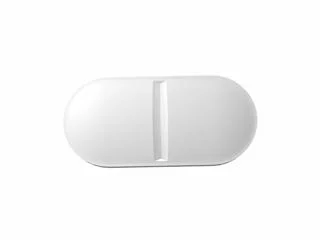
Calcium Carbonate Tablets
500mg
Calcium carbonate 500mg tablets, used for calcium deficiency and osteoporosis. A source of elemental calcium for bone and muscle function.
From$0.72/ tabletView
Calcium deficiency, or hypocalcaemia, develops when calcium levels in the blood fall too low to support normal muscle contraction, nerve signalling, and bone maintenance. Mild, long-standing deficiency is common where dietary calcium intake is low and limited sun exposure reduces the vitamin D needed to drive calcium absorption.
500mg
Calcium carbonate 500mg tablets, used for calcium deficiency and osteoporosis. A source of elemental calcium for bone and muscle function.
Poor dietary intake is the most frequent cause, but deficiency can also stem from low vitamin D, malabsorption, or an underactive parathyroid gland. Symptoms range from muscle cramps, tingling in the hands and feet, and fatigue, through to brittle nails and, over time, weakened bones under the umbrella of bone health conditions.
Supplementation with calcium carbonate is the standard first step: it delivers a high elemental calcium content per tablet and is best absorbed when taken with food. Alongside supplementation, boosting dietary sources, milk, tofu, leafy greens, and fortified foods, and addressing any underlying vitamin D shortfall are equally important steps.
Persistent cramps, numbness, or irregular heartbeat alongside suspected low calcium warrant a blood test to confirm the diagnosis and rule out other causes.