
Hirsutism
Hirsutism refers to excess hair growing in a male pattern on a woman’s face, chest, or abdomen. The hair is typically dark and coarse rather than fine vellus hair, and the root cause is almost always hormonal, with androgens stimulating follicles in hormone-sensitive areas.
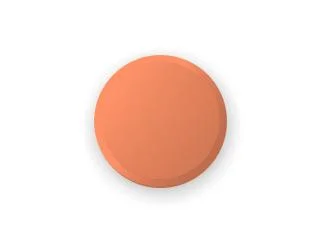
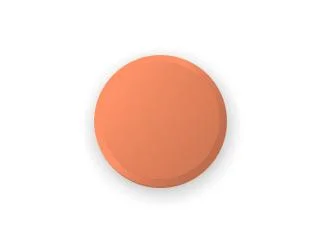
Cyproterone Acetate and Ethinylestradiol Tablets
2/0.035mg
Cyproterone acetate with ethinylestradiol as a film-coated tablet, used for severe acne, hirsutism and androgenetic alopecia. An anti-androgen with an oestrogen.
Key points
- Polycystic ovary syndrome accounts for most cases, though adrenal disorders, thyroid problems and some medicines can also raise androgen levels enough to cause it.
- Cyproterone combined with ethinylestradiol works by blocking androgen receptors while lowering the ovaries’ own androgen output, taken as an oral contraceptive.
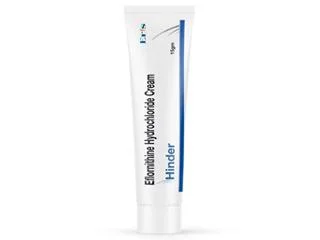
- A topical cream containing eflornithine offers a targeted option for facial hair, slowing regrowth by acting on an enzyme within the follicle.
What drives the excess hair
Polycystic ovary syndrome (PCOS) accounts for the majority of cases and is widely prevalent. Beyond PCOS, adrenal disorders, thyroid dysfunction, and certain medicines can raise androgen levels enough to trigger hirsutism. A smaller proportion of cases have no identifiable hormonal cause.
Hormonal and topical approaches
Because androgens are usually the driving force, treatment is aimed at lowering their effect on follicles. Combined oral contraceptives containing cyproterone and ethinylestradiol are a well-established option: cyproterone is an anti-androgen that blocks the receptor, while ethinylestradiol suppresses ovarian androgen output. For unwanted facial hair specifically, a cream containing eflornithine can slow regrowth by inhibiting an enzyme the follicle needs. These treatments sit within the broader areas of women’s health and skin care. Results take several months to become visible, and hair that is already present requires physical removal alongside any medical treatment.
If hirsutism appears suddenly or worsens quickly, an underlying cause such as an adrenal or ovarian tumour should be ruled out promptly.
Further reading
What is hirsutism?
Hirsutism is excess hair growing in a male pattern on a woman's face, chest, or abdomen. The hair is usually dark and coarse rather than fine vellus hair, and the cause is almost always hormonal.
What causes hirsutism?
Polycystic ovary syndrome accounts for most cases, but adrenal disorders, thyroid problems and some medicines can also raise androgen levels enough to cause it. A smaller proportion of cases have no identifiable hormonal cause.
How is hirsutism treated?
Treatment aims to lower the effect of androgens on follicles, using combined oral contraceptives containing cyproterone and ethinylestradiol or a topical cream containing eflornithine for facial hair. Results take several months to become visible, and hair that is already present requires physical removal alongside any medical treatment.
When should I see a doctor about hirsutism?
If hirsutism appears suddenly or worsens quickly, an underlying cause such as an adrenal or ovarian tumour should be ruled out promptly. Healthcare assessment is warranted in that situation.
Which treatments for hirsutism can I order?
The medicines listed for hirsutism contain cyproterone, ethinylestradiol and eflornithine. Examples include Vaniqa and Diane 35. Each product page lists the strengths and forms.
Can I buy medicines for hirsutism over the counter in Thailand?
Yes, online. Yasabai does not ask for a prescription to order medicines for hirsutism. We are an online store, not a dispensing pharmacy; we arrange your order and delivery on your behalf.
Ordering without a prescription →Do you deliver medicines for hirsutism to Thailand?
Yes. Our pharmacy partners ship from India to Thailand and across Asia in discreet packaging. Standard Airmail takes up to 3 weeks; Express Tracked Courier takes up to 1 week.
How ordering works →