
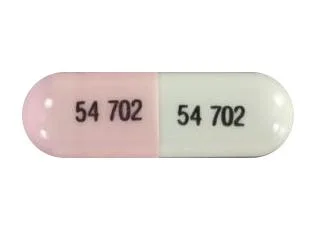
Lithium Tablets
300mg
Lithium 300mg prolonged-release tablets, used in the management of bipolar disorder and recurrent depressive disorder. A mood stabiliser needing blood tests.
From$0.59/ tabletView
Recurrent depressive disorder means a person has experienced two or more distinct episodes of depression, each typically lasting weeks to months, with periods of relatively normal mood in between. Unlike a single episode, the pattern signals a longer-term condition that benefits from ongoing management.
300mg
Lithium 300mg prolonged-release tablets, used in the management of bipolar disorder and recurrent depressive disorder. A mood stabiliser needing blood tests.
During a depressive episode, the most consistent features are persistent low mood, a marked loss of interest or pleasure in activities that once felt rewarding, and a drop in energy that makes even simple tasks feel effortful. Sleep and appetite often shift noticeably, concentration becomes difficult, and some people experience a heaviness of movement or thinking that others around them can observe.
Episodes can be triggered by stress, loss, or physical illness, but many occur without any clear cause. Between episodes, mood returns to the person’s normal baseline, which distinguishes this condition from persistent depressive states.
Because episodes tend to recur, treatment aims both to lift the current low mood and to reduce the likelihood of future episodes. Psychological therapy, particularly cognitive behavioural approaches, forms a cornerstone of longer-term care. Medication sits within the broader mental health treatment landscape; for some people with a pattern of severe or frequent episodes, mood-stabilising agents such as lithium are used alongside other medicines to help prevent relapse.
If you or someone you know is in crisis, contact a local mental health helpline. In many countries, crisis support lines are available around the clock.