
Fungal Skin Infection
A fungal skin infection occurs when fungi colonise the outer layers of skin, nails, or scalp. They are among the most common dermatological complaints in hot, humid conditions that allow fungi to thrive. Most cases are mild and respond well to targeted topical treatment.
Key points
- Ringworm typically forms a scaly, ring-like patch, athlete’s foot appears between the toes, and tinea versicolor leaves pale, blotchy marks on the skin.
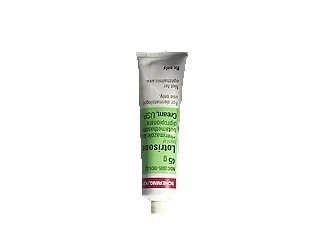
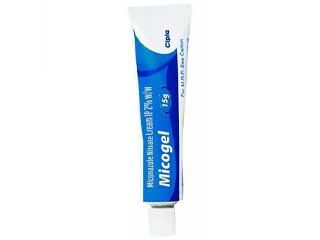
- Clotrimazole, an azole antifungal, disrupts the fungal cell membrane and works against most of the dermatophytes and yeasts responsible.
- Persistent infection that fails to improve within two to three weeks, spreads quickly, or affects the scalp or nails needs a doctor’s assessment.
What the infection looks like and how it is treated
Fungal skin infections appear in many forms depending on the species involved. Ringworm (tinea corporis) presents as a scaly, ring-shaped patch. Athlete’s foot (tinea pedis) causes itching, cracking, and peeling between the toes. Tinea versicolor produces pale or pinkish discoloured patches, particularly common in tropical climates.
Topical antifungals are the first approach for most superficial infections. Clotrimazole is a widely used azole antifungal that disrupts the fungal cell membrane; it is effective against the dermatophytes and yeasts responsible for the majority of skin infections. For cases where significant skin inflammation is also present, a combination product containing betamethasone alongside an antifungal can ease redness and irritation while addressing the infection. Both belong to the broader antifungals class, which sits within general skin care.
Keep the affected area clean and dry, wear breathable fabrics, and complete the full course of treatment even once the skin looks clear. If an infection fails to improve after two to three weeks of topical treatment, spreads rapidly, or involves the scalp or nails, a doctor should assess whether a different approach is needed.