
Trigeminal Neuralgia
Trigeminal neuralgia is a chronic pain condition affecting the trigeminal nerve, which carries sensation from the face to the brain. It produces sudden, severe bursts of facial pain, often described as electric shocks or stabbing jolts that last a few seconds to two minutes. Even light touch, chewing, speaking, or a breeze on the face can trigger an attack.
Key points
- A blood vessel pressing on the nerve near the brainstem can wear away its protective sheath over time, causing faulty pain signals.
- Ordinary actions like chewing, speaking or a light breeze on the face can set off an attack.
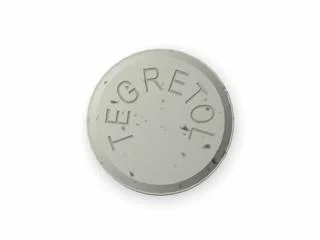
- Carbamazepine works by stabilising nerve membranes and reduces how often and how intensely attacks occur for most people.
- Surgical options such as microvascular decompression may be considered when medicine alone fails to control the pain.
What drives the pain
The trigeminal nerve has three branches covering the forehead, cheek, and jaw. In most cases, a blood vessel pressing against the nerve root near the brainstem wears away its protective myelin sheath over time, causing abnormal pain signals. Less commonly, multiple sclerosis or a tumour is responsible. The condition is more frequent after age 50 and somewhat more common in women.
Keeping attacks under control
Anticonvulsant medicines are the first approach. Carbamazepine stabilises nerve membranes and reduces the frequency and intensity of pain episodes for most people. It sits within the broader neurology medicine group. When pain becomes unmanageable with medicine alone, surgical options such as microvascular decompression or stereotactic radiosurgery may be discussed with a specialist.
If attacks suddenly worsen, come with new neurological symptoms such as numbness or weakness, or do not respond to treatment, prompt medical review is important.