
Tuberculosis
Tuberculosis (TB) is a bacterial infection caused by Mycobacterium tuberculosis, most commonly affecting the lungs. It spreads through airborne droplets when an infected person coughs or sneezes, making it a significant public health concern in places where TB rates remain among the highest globally.


Rifampin Tablets
150 · 300 · 450 · 600mg
Rifampicin tablets in four strengths from 150mg to 600mg, used for tuberculosis and meningococcal carriage. It blocks bacterial RNA polymerase.

Trecator-sc
250mg
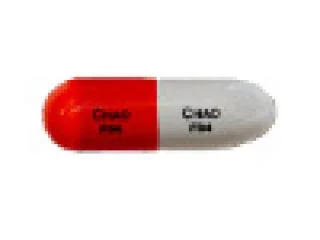
Ethionamide 250mg film-coated tablets, used in the management of tuberculosis. A thioamide that blocks peptide synthesis in mycobacteria.
Key points
- The bacteria divide slowly and can persist inside cells, so treatment needs months rather than the days typical of most infections.
- A standard course combines several antibiotics for six months or more to stop the bacteria developing resistance.
- A persistent cough lasting three weeks or longer, sometimes with blood-tinged sputum, is a key warning sign.
- Night sweats, unexplained weight loss and a lingering low fever often accompany the cough.
Why treatment takes months, not days
TB bacteria are slow-dividing and can hide inside cells, so a short course of antibiotics is not enough. Standard treatment runs six months or longer, combining several medicines to prevent the bacteria developing resistance. Rifampicin is the cornerstone of most regimens, working through the initial intensive phase and the continuation phase. Ethambutol is added in the early weeks to cover resistant strains. For drug-resistant TB, second-line agents such as ethionamide or cycloserine may be required.
Recognising the warning signs
Active pulmonary TB typically produces a persistent cough lasting three weeks or more, often with blood-tinged sputum. Night sweats, unexplained weight loss, and prolonged low-grade fever are common accompanying symptoms. Anyone with these signs, or who has been in close contact with a confirmed TB case, should seek medical assessment promptly, early diagnosis significantly improves treatment outcomes and limits spread to others.