
Varicella Zoster Infection
Varicella zoster virus (VZV) is responsible for two distinct illnesses. The first encounter, usually in childhood, produces chickenpox, a highly contagious rash illness. The virus then lies dormant in nerve tissue and can reactivate years or decades later as shingles (herpes zoster), a painful, blistering rash that follows a nerve path on one side of the body. Shingles is common, and an ageing population makes reactivation increasingly frequent.
Key points
- The virus causes chickenpox on first exposure, then lies dormant in nerve tissue before it can resurface later as shingles.
- Shingles produces a painful, blistering rash that tracks along a single nerve, typically on one side of the body.
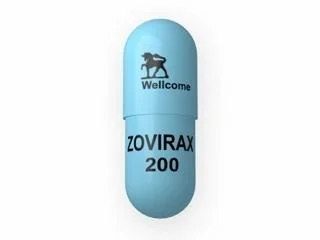
- Aciclovir blocks the virus from replicating its DNA, shortening the illness and lowering the chance of lingering nerve pain afterwards.
- Starting treatment within three days of the rash appearing gives the best results.
Antiviral treatment for VZV
Both chickenpox and shingles respond to antivirals. Aciclovir is the established first-line agent: it works by blocking viral DNA replication, reducing the duration and severity of the rash, and, in shingles, lowering the risk of post-herpetic neuralgia, a nerve pain that can persist long after the rash clears. Treatment is most effective when started within 72 hours of the rash appearing, so prompt medical assessment matters. Seek care urgently if the rash involves the face or eye, if you develop confusion or weakness, or if symptoms are severe in someone who is immunocompromised.