
Acetazolamide
Acetazolamide is a carbonic anhydrase inhibitor used to lower fluid pressure in the eye, reduce swelling from fluid retention and prevent altitude sickness. The listed product is Diamox, available as a tablet. With only one formulation available, this page covers what the medicine does, when it is used and what to consider before taking it.
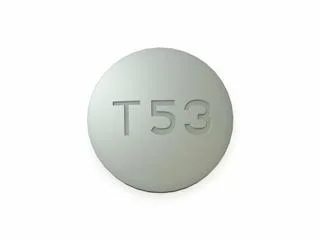
Key points
- It is used to ease pressure inside the eye in glaucoma, reduce fluid retention in oedema and help the body adjust at high altitude.
- It works by blocking the carbonic anhydrase enzyme, prompting the kidneys to release more water and salt in urine.
- People with an allergy to sulfa medicines need this checked before starting, along with kidney, liver or electrolyte problems.
What is Acetazolamide?
Acetazolamide belongs to a class of medicines called carbonic anhydrase inhibitors. It works by blocking an enzyme that affects fluid production in several parts of the body. This action lowers pressure inside the eye, reduces excess fluid in tissues and changes the acidity of the blood to help with altitude adaptation.
The medicine is available as a tablet, which is the standard oral form for this compound. Having a single listed product means the focus is on understanding the ingredient itself rather than comparing multiple brands.
What Acetazolamide is Used For
Acetazolamide is prescribed for Glaucoma, where lowering pressure inside the eye helps protect vision. It is also used for Oedema, reducing swelling caused by fluid retention in conditions such as heart failure. For people travelling to high altitudes, it can prevent and reduce symptoms of Acute Mountain Sickness.
How Does Acetazolamide Work?
The medicine blocks an enzyme called carbonic anhydrase, which your body uses to produce fluids in the eye, kidneys and brain. By slowing this process, acetazolamide reduces the amount of fluid building up in the eye and encourages the kidneys to remove more water and salts through urine. At altitude, it makes your blood slightly more acidic, which triggers faster breathing and helps your body adjust to lower oxygen levels.
Acetazolamide Brands and Forms
The listed product is Diamox, supplied as a tablet. Tablets are the most common form for this ingredient because they are straightforward to dose and store. Acetazolamide falls under Heart & Blood Pressure and Eye Care, reflecting its dual role in managing fluid-related conditions.
Safety Overview for Acetazolamide
What to Check Before Using This Medicine
Tell your doctor about any kidney or liver conditions, electrolyte imbalances or allergies to sulfa medicines before starting acetazolamide. The medicine may not be suitable if you have certain metabolic disorders or severe kidney disease.
Possible Reactions and Tolerability
Some people experience tingling in the hands and feet, increased urination, changes in taste or mild stomach upset. These effects are often temporary. More serious reactions, such as blood disorders or severe skin responses, require immediate medical attention.
Interactions and Health Factors
Acetazolamide can interact with other medicines, including certain diuretics, aspirin and some epilepsy drugs. It may also affect blood sugar levels and electrolyte balance. Your doctor should review your full medication list before prescribing.
Product labelling and verified clinical sources remain the correct references for specific contraindications, interactions and reactions.
Further reading
What is acetazolamide used for?
Acetazolamide is used to ease pressure inside the eye in glaucoma, to reduce fluid retention in oedema and to prevent and reduce symptoms of acute mountain sickness in people travelling to high altitudes.
How does acetazolamide work?
Acetazolamide blocks an enzyme called carbonic anhydrase, which the body uses to produce fluids in the eye, kidneys and brain. This lowers pressure inside the eye, encourages the kidneys to remove more water and salts through urine, and at altitude makes the blood slightly more acidic to help the body adjust to lower oxygen levels.
How long does acetazolamide take to work?
Acetazolamide usually starts to work within 1 to 2 hours, and its effect lasts about 8 to 12 hours.
What are the side effects of acetazolamide?
Common effects include nausea, dizziness and tingling in the hands and feet, while increased urination and changes in taste can also occur. These effects are often temporary. More serious reactions such as blood disorders or severe skin responses require immediate medical attention, so speak to a doctor or pharmacist if you are concerned.
Can acetazolamide be taken with other medicines?
Acetazolamide can interact with other medicines, including certain diuretics, aspirin and some epilepsy drugs, and it may also affect blood sugar levels and electrolyte balance. Speak to a doctor or pharmacist about your other medicines.
Who should not take acetazolamide?
Tell your doctor about any kidney or liver conditions, electrolyte imbalances or allergies to sulfa medicines before starting acetazolamide. The medicine may not be suitable if you have certain metabolic disorders or severe kidney disease.
In which products can I find acetazolamide?
Products containing acetazolamide include Diamox. Compare forms, strengths and packs in the listings above.
Is acetazolamide available over the counter in Thailand?
Yes. In Thailand acetazolamide is sold by pharmacists without a prescription, and Yasabai does not ask for one either. We are an online store, not a dispensing pharmacy; we arrange your order and delivery on your behalf.
Ordering without a prescription →Do you deliver acetazolamide to Thailand?
Yes. Our pharmacy partners ship from India to Thailand and across Asia in discreet packaging. Standard Airmail takes up to 3 weeks; Express Tracked Courier takes up to 1 week.
How ordering works →Related articles

4 Aug 2026 ⋅ 8 min read
Glaucoma Drops: The Diagnosis You Cannot Feel
Glaucoma gives you nothing to go on. No pain, no blurring, and no sign at all that you stopped treating it. Why the sight it takes does not come back, what each family of drops is doing, and the visible side effects that quietly end treatment.
Read guide