
Colchicine
Colchicine is a specialized medication used to manage inflammatory responses, most notably in individuals experiencing Gout. Branded products such as Colchimax provide standardized delivery of this active compound. Available options include Colchicum Autumnale and Colcrys.
Colchicum Autumnale
Gout
0.5mg
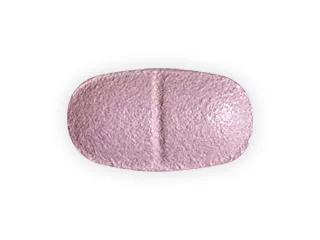
Colchicine 0.5mg tablets, used for gout. It blocks tubulin polymerisation, so neutrophils do not migrate into the inflamed joint.
Key points
- An alkaloid that eases the inflammation caused by uric acid crystals settling in the joints during a gout flare.
- Works by stopping white blood cells from gathering at the crystal deposits, cutting off the redness, swelling and pain that follow.
- Also taken to help prevent future gout attacks by keeping crystal-related inflammation under control, not only to treat an active flare.
- Kidney or liver impairment may call for a dose adjustment, and nausea, vomiting or diarrhoea can appear soon after starting treatment.
What is Colchicine?
Colchicine is an alkaloid used to address inflammation resulting from crystal deposition. It acts as an anti-inflammatory agent specifically targeting the body’s response to mineral buildup, which often occurs in joints. Various generic and branded versions exist to allow consistent access to treatment depending on individual preference and availability.
What Colchicine is used for
This medication is primarily indicated for the management of acute Gout. By interfering with the inflammatory cycle, it addresses the swelling and discomfort associated with sudden flares. It is also used to prevent future attacks by keeping uric acid-related inflammation under control.
How does Colchicine work?
Colchicine works by inhibiting the migration of specific white blood cells to the site of crystal deposits. When these cells arrive, they release chemicals that cause redness, swelling, and severe pain characteristic of an acute flare. By stopping these cells from congregating, the medication reduces the cascade of inflammation.
Colchicine brands and forms
Manufacturers produce Colchicine as a Pain Management solution, offered in the form of tablets. While the active ingredient remains the same across different brands like Colchimax, the manufacturing quality and additional ingredients may vary. Patients generally prefer tablets for their ease of use and consistent delivery of the medication.
Safety overview for Colchicine
What to check before using this medicine
Ensure you have no known hypersensitivity to the compound. Discuss pre-existing kidney or liver impairment with your provider, as your body may require distinct adjustments to handle the filtered medication.
Possible reactions and tolerability
Common reactions primarily involve the gastrointestinal system. Some people experience nausea, vomiting, or diarrhoea shortly after initiation. Monitor your response closely and cease use if symptoms persist.
Interactions and health factors
Various other medications, including certain antibiotics or heart-related treatments, may interact significantly. Always provide a list of current treatments to a provider to prevent complications. Product labelling and verified clinical sources remain the correct references for specific contraindications, interactions and reactions.
Further reading
What is colchicine used for?
Colchicine is mainly used to manage acute gout, easing the swelling and discomfort of sudden flares. It is also taken to help prevent future gout attacks by keeping uric acid related inflammation under control.
How does colchicine work?
Colchicine works by stopping white blood cells from gathering at the site of uric acid crystal deposits in the joints. This cuts off the redness, swelling and pain that follow.
How long does colchicine take to work?
Colchicine usually starts to work within 12 to 24 hours, and its effect lasts about 24 to 48 hours.
What are the side effects of colchicine?
Common reactions mainly involve the gastrointestinal system, such as diarrhoea, nausea, vomiting and abdominal pain. Fatigue and myalgia can also occur, and serious effects like rhabdomyolysis and pancytopenia need immediate medical attention. Speak to a doctor or pharmacist if you notice any reaction.
Can colchicine be taken with other medicines?
Some medicines, including clarithromycin, cyclosporin and statins, may interact with colchicine. Always give a list of your current treatments to a provider to prevent complications, and check with a doctor or pharmacist.
Who should not take colchicine?
People with a known hypersensitivity to colchicine, or with severe kidney or liver impairment, should not take it. If you have kidney or liver problems, discuss this with your provider first.
In which products can I find colchicine?
Products containing colchicine include Colcrys and Colchicum Autumnale. Compare forms, strengths and packs in the listings above.
What are other names for colchicine?
Besides the products listed here, colchicine is sold under brand names such as Colchimax. Names differ from country to country, so the active ingredient is the surest way to compare.
Can I buy colchicine over the counter in Thailand?
Yes. In Thailand colchicine is sold by pharmacists without a prescription, and Yasabai does not ask for one either. We are an online store, not a dispensing pharmacy; we arrange your order and delivery on your behalf.
Ordering without a prescription →Do you deliver colchicine to Thailand?
Yes. Our pharmacy partners ship from India to Thailand and across Asia in discreet packaging. Standard Airmail takes up to 3 weeks; Express Tracked Courier takes up to 1 week.
How ordering works →