
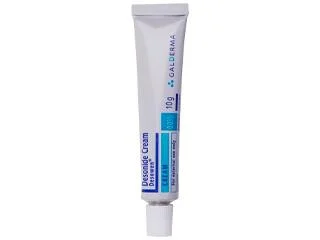
Desonate Cream
Atopic Dermatitis, Eczema
10g
Desonide cream in a 10g tube, applied for atopic dermatitis and eczema. A low-potency topical corticosteroid, anti-inflammatory and anti-pruritic.
From$17.00/ tubeView
Topical Desonide represents a low-potency corticosteroid frequently used to manage inflammatory skin issues. Available as Desonate Cream, the preparation calms redness, irritation, and itching. Reduced immune response in the skin provides relief for conditions such as Atopic Dermatitis and Eczema.
Atopic Dermatitis, Eczema
10g
Desonide cream in a 10g tube, applied for atopic dermatitis and eczema. A low-potency topical corticosteroid, anti-inflammatory and anti-pruritic.
Belonging to the corticosteroid class, Desonide serves as a topical treatment for inflammatory skin conditions. Medications within this class contain active compounds designed to mimic natural hormones that suppress immune system reactions. Clinicians often recommend low-potency options for sensitive areas where stronger preparations might be too aggressive.
Utilisation of Desonide primarily addresses skin irritation and inflammation. It functions as a topical agent for Atopic Dermatitis and Eczema, providing a barrier against the cycle of itching and scratching. Patients managing dermatological sensitivities often use this formulation to ease discomfort during flare-ups.
Reducing inflammation within the skin occurs because Desonide limits natural immune responses. By inhibiting the release of chemicals that cause redness and swelling, the compound allows the skin barrier to recover more effectively. Topical application ensures the effect remains concentrated within the tissue, targeting the specific area rather than the entire body.
Formulations of Desonide include Desonate Cream, which offers a uniform base for application to affected patches. Various brands within the Skin Care sector provide this ingredient to cater to different skin sensitivities. Choosing between available creams depends on individual dermatological needs and the recommendation of a healthcare provider.
Verify that the underlying skin condition warrants a corticosteroid. Avoid applying this preparation to broken skin, open wounds, or infections, as usage there may aggravate the site. Establish the extent of the affected area with a doctor to ensure appropriate duration of use.
Common responses to topical corticosteroids involve mild stinging or burning at the site of application. Extended use may lead to skin thinning or discolouration. Cease application if irritation persists or if signs of allergic reaction occur.
Consult a professional if applying other topical products simultaneously, as overlapping treatments may alter absorption. Underlying health factors, such as systemic infections or thin skin, may influence the suitability of corticosteroid therapy.
Desonide is a low-potency topical corticosteroid used to treat inflammatory skin conditions such as atopic dermatitis and eczema. It helps calm redness, irritation and itching.
Desonide works by limiting the skin's natural immune response and reducing the release of chemicals that cause redness and swelling. It has anti-inflammatory, anti-itch and vasoconstrictive effects that stay concentrated in the treated area.
If you are applying other topical products at the same time, speak to a professional because overlapping treatments may change how much is absorbed. Ask a doctor or pharmacist before combining treatments.
Desonide typically starts to work within 3 to 7 days, and relief typically lasts while treatment continues for 2 to 4 weeks.
Common side effects include stinging, burning, itching and dryness. Prolonged use may lead to skin thinning, stretch marks or visible blood vessels. In rare cases with prolonged use, systemic effects such as HPA axis suppression and Cushing syndrome have been reported.
People who are allergic to desonide, or who have untreated bacterial infections, fungal infections, or tuberculosis of the skin, should not use it. It should not be applied to broken skin, open wounds, or infected areas.
Products containing desonide include Desonate Cream. Compare forms, strengths and packs in the listings above.
Yes. In Thailand desonide is sold by pharmacists without a prescription, and Yasabai does not ask for one either. We are an online store, not a dispensing pharmacy; we arrange your order and delivery on your behalf.
Ordering without a prescription →Yes. Our pharmacy partners ship from India to Thailand and across Asia in discreet packaging. Standard Airmail takes up to 3 weeks; Express Tracked Courier takes up to 1 week.
How ordering works →