
Itraconazole
Itraconazole is a triazole antifungal medication commonly associated with the brand name Sporanox. Practitioners use it to combat a wide variety of fungal infections throughout the body. One generic option is listed, used against persistent fungal pathogens.
Key points
- A triazole antifungal used to treat candidiasis, histoplasmosis and tinea by stopping fungal cells from building their walls.
- Works by blocking ergosterol production, a substance fungal cell membranes need to stay intact and multiply.
- Occasional nausea, headache or abdominal discomfort can occur, and new fatigue or skin irritation warrants a review of use.
What is Itraconazole?
Triazole antifungals serve as a primary defence against a range of fungal microorganisms. This medication acts to inhibit the growth of fungi that may cause localized or systemic issues. Sporanox serves as the reference brand, and the single formulation listed here provides a standard option for treatment.
What Itraconazole is used for
Healthcare providers often suggest this medication for treating various infections, including Candidiasis, Histoplasmosis, and Tinea. Addressing these conditions early is necessary to prevent extensive spread or complications.
How does Itraconazole work?
Fungal cells require ergosterol, a key component of their cell membranes, to remain intact and multiply. Itraconazole inhibits the synthesis of this substance, which weakens the fungal cell wall. This mechanism stops the fungi from spreading, allowing the immune system to clear the infection more efficiently.
Itraconazole brands and forms
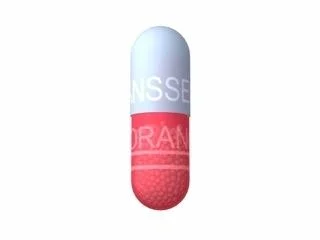
This compound appears primarily in oral preparations, such as the Antifungals class. The most common formulation accessible is the Capsule, hard. While Sporanox remains a recognizable name, generics ensure consistent quality and availability for those seeking to manage their symptoms.
Safety overview for Itraconazole
What to check before using this medicine
Reviewing your medical history, particularly regarding liver or heart conditions, is necessary. Interactions can occur with various medications, making a review of your current regimen essential for informed usage.
Possible reactions and tolerability
Nausea, headache, and abdominal discomfort occur occasionally as side effects. Unusual fatigue or signs of skin irritation should prompt a review of the usage regimen.
Interactions and health factors
Many drugs can alter how this medication functions in the body. Product labelling and verified clinical sources remain the correct references for specific contraindications, interactions and reactions.
Further reading
What is itraconazole used for?
Itraconazole is used to treat a range of fungal infections, including candidiasis, histoplasmosis and tinea. Healthcare providers often suggest it for these infections, and addressing them early is necessary to prevent extensive spread or complications.
How does itraconazole work?
Itraconazole stops fungal cells from building their walls by blocking ergosterol production, a substance fungal cell membranes need to stay intact and multiply. This weakens the fungal cell wall and stops the fungi from spreading.
How long does itraconazole take to work?
Itraconazole starts to work within 1 to 2 weeks, and the duration is 2 to 6 months.
What are the side effects of itraconazole?
Nausea, headache and abdominal discomfort occur occasionally as side effects, and oedema, hypertension and rash are also possible. Unusual fatigue or signs of skin irritation should prompt a review of the usage regimen, so speak to your doctor or pharmacist if you notice anything unusual.
Can itraconazole be taken with other medicines?
Itraconazole can be taken with some medicines, but not all. Many medicines can affect how itraconazole works in the body, including statins, midazolam, digoxin and warfarin, and it should not be used with certain cardiac medications.
Who should not take itraconazole?
Itraconazole is not suitable for people with a hypersensitivity to triazoles, heart failure or ventricular dysfunction, or those taking certain cardiac medications. Reviewing your medical history, particularly regarding liver or heart conditions, is necessary, so speak to your doctor or pharmacist first.
In which products can I find itraconazole?
Products containing itraconazole include Sporanox. Compare forms, strengths and packs in the listings above.
Do I need a prescription for itraconazole in Thailand?
No. In Thailand itraconazole is sold by pharmacists without a prescription, and Yasabai does not ask for one either. We are an online store, not a dispensing pharmacy; we arrange your order and delivery on your behalf.
Ordering without a prescription →Do you deliver itraconazole to Thailand?
Yes. Our pharmacy partners ship from India to Thailand and across Asia in discreet packaging. Standard Airmail takes up to 3 weeks; Express Tracked Courier takes up to 1 week.
How ordering works →