
Linezolid
Linezolid is an antibiotic used to treat specific, serious bacterial infections. Most commonly known by the originator brand Zyvox, it works by targeting the way bacteria produce proteins to prevent them from replicating. Currently, this medication is listed here for those looking to understand therapy options.
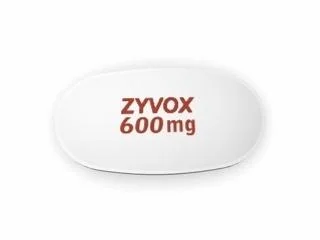
Key points
- Belongs to the oxazolidinone class and is reserved for infections such as pneumonia when bacteria have become resistant to other antibacterials.
- Works as a bacteriostatic agent, stopping bacterial multiplication so the body’s own defences can finish off the infection.
- Requires regular blood count checks during treatment and calls for avoiding tyramine-rich foods such as aged cheese.
What is Linezolid?
Linezolid belongs to the oxazolidinone class of medicines. It serves as a targeted treatment for infections caused by bacteria known to be resistant to other common antibacterial agents. This medication stops the growth of bacteria rather than killing them outright, allowing the immune system to clear the infection more effectively.
What Linezolid is used for
This medication belongs to the broader group of Antibiotics. It is indicated for the management of specific severe infections, including Pneumonia and Skin and Soft Tissue Infection. It is reserved for clinical cases where the causative bacteria have demonstrated susceptibility to the treatment, particularly when other agents have proven insufficient.
How does Linezolid work?
Linezolid functions by inhibiting protein synthesis within the bacterial cell. By binding to a specific site on the bacterial ribosome, the medication prevents the bacteria from linking proteins together, which is a process essential for their multiplication and survival. This mechanism has no effect on human protein production, allowing it to target pathogens while sparing the host.
Linezolid brands and forms
Zyvox is the established reference product for this ingredient. Generics may appear in the market, providing the same active compound in standard forms. The common delivery method for this medication is the film-coated tablet, which is designed for oral administration.
Safety overview for Linezolid
What to check before using this medicine
Ensure your medical history is fully reviewed by a provider, especially if you have a history of blood pressure conditions, heart problems, or blood count irregularities. Inform your provider about all other medications you are currently taking, as this treatment can interact with various common compounds.
Possible reactions and tolerability
Common experiences may include digestive discomfort, such as nausea or diarrhoea, and periodic headaches. Some patients might notice changes in taste or skin irritation. Regular monitoring of blood counts is often conducted during treatment to ensure the body tolerates the medication well over an extended period.
Interactions and health factors
This ingredient can interact with substances that raise blood pressure or those that affect serotonin levels. It is important to avoid large amounts of food and drink high in tyramine, such as aged cheeses or fermented products, while on this medication. Always confirm a full list of potential dietary and drug interactions with a clinical professional.
Product labelling and verified clinical sources remain the correct references for specific contraindications, interactions and reactions.
Further reading
What is linezolid used for?
Linezolid is an antibiotic used to treat specific, serious bacterial infections. It is indicated for severe infections including pneumonia and skin and soft tissue infection, and is reserved for cases where the causative bacteria have shown susceptibility, particularly when other agents have proven insufficient.
How does linezolid work?
Linezolid works by inhibiting protein synthesis within the bacterial cell. It binds to a site on the bacterial ribosome and prevents the bacteria from linking proteins together, a process essential for their multiplication and survival. This mechanism has no effect on human protein production.
How long does linezolid take to work?
Linezolid reaches effective levels in the body within 1 to 2 hours, and its effect lasts around 12 hours. Clinical improvement depends on the infection and should be assessed by a doctor.
What are the side effects of linezolid?
Common side effects include diarrhoea, nausea and headache. Other side effects may include oral candidiasis, peripheral neuropathy, anaemia, taste changes and skin irritation. Serious effects include severe blood dyscrasias and serotonin syndrome, which require immediate medical attention.
Can linezolid be taken with other medicines?
Linezolid can interact with substances that raise blood pressure or affect serotonin levels. It interacts with pseudoephedrine, SSRIs and MAO inhibitors, so always confirm a full list of potential drug and dietary interactions with a clinical professional.
Who should not take linezolid?
Linezolid should not be used by anyone with a hypersensitivity to linezolid or with uncontrolled hypertension. Before using it, your medical history should be fully reviewed by a provider, especially if you have a history of blood pressure conditions, heart problems or blood count irregularities.
What linezolid products are available?
Products containing linezolid include Zyvox. Compare forms, strengths and packs in the listings above.
Is linezolid available over the counter in Thailand?
Yes. In Thailand linezolid is sold by pharmacists without a prescription, and Yasabai does not ask for one either. We are an online store, not a dispensing pharmacy; we arrange your order and delivery on your behalf.
Ordering without a prescription →Do you deliver linezolid to Thailand?
Yes. Our pharmacy partners ship from India to Thailand and across Asia in discreet packaging. Standard Airmail takes up to 3 weeks; Express Tracked Courier takes up to 1 week.
How ordering works →