
Lisinopril
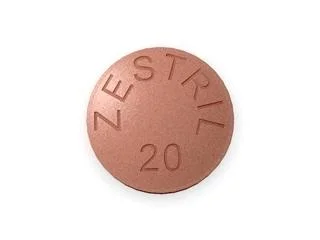
Lisinopril (Zestril) is a widely used medication employed for cardiovascular care and blood pressure regulation. This long-acting compound supports patients managing various heart-related conditions. Three generic variations of this medication are available, from different manufacturers, for those who require consistent, stable intake.

Zestoretic
Hypertension
5/12.5g/mg
Lisinopril with hydrochlorothiazide as a tablet for hypertension. Two pathways at once: less angiotensin II, and more salt and water out.
Key points
- An ACE inhibitor also used after a heart attack and in heart failure, not just for raised blood pressure.
- The medicine relaxes and widens narrowed blood vessels by blocking an enzyme responsible for tightening them, lowering pressure on the heart.
- A dry cough that persists, or light-headedness when standing, can appear early in treatment as the body adapts.
What is Lisinopril?
Lisinopril belongs to a class of compounds known as ACE inhibitors. It is well known in medical practice for its role in cardiovascular care. Patients often rely on this medication for consistent blood pressure control, which is necessary for maintaining vascular health over time.
What Lisinopril is used for
Medical providers often suggest Lisinopril to manage Hypertension, a condition where the force against artery walls is consistently too high. Beyond blood pressure, it is used to support long-term cardiovascular health, specifically in cases involving Heart Failure or following an acute Myocardial Infarction. It acts to reduce the workload on the heart, allowing it to pump with greater efficiency.
How does Lisinopril work?
Lisinopril works by blocking an enzyme that causes blood vessels to tighten. When this enzyme is inhibited, blood vessels relax and widen, which lowers blood pressure and improves blood flow to the heart and other major organs. This mechanism makes it a primary choice for long-term vascular management.
Lisinopril brands and forms
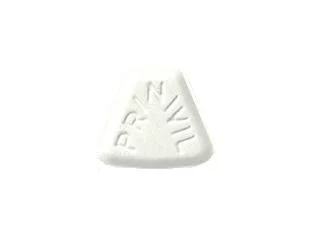
Manufacturers produce various brands such as Zestril, Lopace, and Prinivil, offering patients options that often contain identical active ingredients. This medication is typically manufactured in a tablet form, allowing for convenient daily intake. Reviewing Heart & Blood Pressure categories assists patients in finding formulations that align with their specific clinical needs.
Safety overview for Lisinopril
What to check before using this medicine
Review your medical history to ensure this medication is appropriate for your specific health markers, including any existing kidney conditions or potassium level imbalances.
Possible reactions and tolerability
Most individuals tolerate this medication well, though some may notice a persistent dry cough or unexpected dizziness as the body adjusts, particularly when standing up quickly.
Interactions and health factors
Certain medications, including those for potassium supplementation or NSAIDs, can alter how this compound works or increase the risk of side effects, so always review your current list of medicines.
Product labelling and verified clinical sources remain the correct references for specific contraindications, interactions and reactions.
Further reading
What is lisinopril used for?
Lisinopril is used to manage hypertension, heart failure and to support patients following an acute myocardial infarction. It helps reduce the workload on the heart so it can pump more efficiently.
How does lisinopril work?
Lisinopril blocks an enzyme that causes blood vessels to tighten. This lets the blood vessels relax and widen, lowering blood pressure and reducing the workload on the heart.
How long does lisinopril take to work?
Lisinopril starts working about 1 hour after it is taken, and its effect lasts around 24 hours. It is described as a long-acting compound.
What are the side effects of lisinopril?
Common side effects include dizziness, headache, fatigue and a dry cough that persists. More serious reactions such as angioedema, hyperkalaemia or jaundice need immediate medical attention, so speak to a doctor or pharmacist if you are concerned.
Can lisinopril be taken with other medicines?
Some medicines, including potassium-sparing diuretics, potassium supplements and NSAIDs, can alter how lisinopril works or increase the risk of side effects. Always review your current list of medicines with a doctor or pharmacist.
Who should not take lisinopril?
Lisinopril is not appropriate for people with a history of angioedema, during pregnancy, or with renal artery stenosis. Your medical history, including any kidney conditions or potassium level imbalances, should be reviewed first.
In which products can I find lisinopril?
Products containing lisinopril include Zestril, Prinivil and Zestoretic. Compare forms, strengths and packs in the listings above.
What brand names is lisinopril sold under?
Besides the products listed here, lisinopril is sold under brand names such as Lopace. Names differ from country to country, so the active ingredient is the surest way to compare.
Can I buy lisinopril over the counter in Thailand?
Yes. In Thailand lisinopril is sold by pharmacists without a prescription, and Yasabai does not ask for one either. We are an online store, not a dispensing pharmacy; we arrange your order and delivery on your behalf.
Ordering without a prescription →Where can I buy lisinopril online?
Our pharmacy partners ship from India to Thailand and across Asia in discreet packaging. Standard Airmail takes up to 3 weeks; Express Tracked Courier takes up to 1 week.
How ordering works →Related articles

9 Aug 2026 ⋅ 9 min read
Blood Pressure Medicine in a Hot Climate: Why the Dose That Worked Back Home Feels Wrong
Heat changes what a blood pressure medicine does to you, and the dizziness that starts a few weeks after moving is usually the two things meeting. Which classes the heat compounds, what a home reading is really telling you, and the mistake people make on the hottest days.
Read guide