
Mefenamic Acid
Mefenamic acid (often known by the brand Ponstan) is a non-steroidal anti-inflammatory medication. It is used to address various types of physical discomfort and inflammation. In standard strengths, one formulation is available for Pain Management needs.
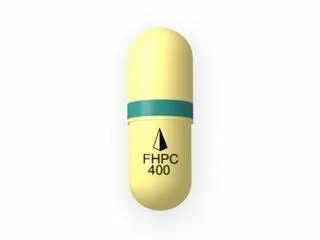
Key points
- An NSAID used both for short-term acute pain and specifically for period pain associated with dysmenorrhoea.
- Lowers prostaglandin levels, the chemical signals responsible for triggering pain and swelling at an injury site.
- A history of asthma, stomach ulcers or a previous allergic reaction to other NSAIDs should be checked before use.
What is Mefenamic Acid?
Mefenamic acid belongs to the non-steroidal anti-inflammatory class. It is designed to reduce inflammation and discomfort in the body, making it a standard option for short-term relief. Like many medications in this class, it presents in various formulations to suit different patient requirements.
What Mefenamic Acid is used for
This ingredient is primarily utilised to provide relief from Acute Pain symptoms. It is also a common medication choice for managing Dysmenorrhoea, addressing specific discomfort associated with monthly cycles.
How does Mefenamic Acid work?
Mefenamic acid works by blocking the production of prostaglandins in the body. Prostaglandins are natural chemicals that trigger pain and inflammation at injury sites or during specific physiological processes. By reducing their levels, the medication lowers the intensity of pain signals sent to the brain.
Mefenamic Acid brands and forms
You may encounter the originator brand Ponstan alongside generic versions that provide equivalent efficacy. Tablets remain the primary form for this medication, favoured for their predictable absorption and ease of administration.
Safety overview for Mefenamic Acid
What to check before using this medicine
Review your medical history for conditions such as asthma, gastrointestinal ulcers, or prior allergic reactions to other NSAIDs. Ensure you are not currently taking medication that may interfere with how your body filters compounds.
Possible reactions and tolerability
Common reactions can include mild stomach upset, nausea, or dizziness. These are often linked to the method of administration. If you notice unusual symptoms, discontinue use and evaluate your treatment approach.
Interactions and health factors
Mefenamic acid may interact with blood thinners or other anti-inflammatory agents. Product labelling and verified clinical sources remain the correct references for specific contraindications, interactions and reactions.
Further reading
What is mefenamic acid used for?
Mefenamic acid is used for short-term acute pain and for period pain linked to dysmenorrhoea. It belongs to the non-steroidal anti-inflammatory class.
How does mefenamic acid work?
Mefenamic acid blocks the production of prostaglandins, which are natural chemicals that trigger pain and inflammation. Lowering their levels reduces the pain signals sent to the brain.
How long does mefenamic acid take to work?
Mefenamic acid starts to work in 30 to 60 minutes, and its effect lasts around 4 to 6 hours.
What are the side effects of mefenamic acid?
Common reactions include mild stomach upset, nausea, or dizziness. Diarrhoea, headache and nervousness can also occur, and serious reactions such as gastrointestinal bleeding need immediate medical attention. Speak to a doctor or pharmacist if you notice unusual symptoms.
Can mefenamic acid be taken with other medicines?
Mefenamic acid may interact with blood thinners or other anti-inflammatory agents. Warfarin, aspirin and corticosteroids are named as interactions, so check with a doctor or pharmacist before combining medicines.
Who should not take mefenamic acid?
Mefenamic acid should be avoided by people with an active peptic ulcer, inflammatory bowel disease, severe heart failure, renal impairment, or a history of asthma related to NSAIDs. A history of asthma, stomach ulcers or a previous allergic reaction to other NSAIDs should be checked before use. Ask a doctor or pharmacist if any of these apply to you.
In which products can I find mefenamic acid?
Products containing mefenamic acid include Ponstel. Compare forms, strengths and packs in the listings above.
What are other names for mefenamic acid?
Besides the products listed here, mefenamic acid is sold under brand names such as Ponstan. Names differ from country to country, so the active ingredient is the surest way to compare.
Do I need a prescription for mefenamic acid in Thailand?
No. In Thailand mefenamic acid is sold by pharmacists without a prescription, and Yasabai does not ask for one either. We are an online store, not a dispensing pharmacy; we arrange your order and delivery on your behalf.
Ordering without a prescription →Where can I buy mefenamic acid online?
Our pharmacy partners ship from India to Thailand and across Asia in discreet packaging. Standard Airmail takes up to 3 weeks; Express Tracked Courier takes up to 1 week.
How ordering works →