
Rivastigmine
Rivastigmine is a medication used to manage cognitive symptoms associated with Alzheimer’s and Parkinson’s. It functions by preventing the breakdown of chemical messengers in the brain. A common brand for this treatment is Exelon.
Key points
- Increases acetylcholine levels in the brain by blocking the enzyme that normally breaks it down, supporting signalling between surviving nerve cells.
- Used for mild to moderate Alzheimer’s dementia and also for cognitive decline linked to Parkinson’s disease.
- People with a known sensitivity to carbamate-type compounds should be identified before starting treatment.
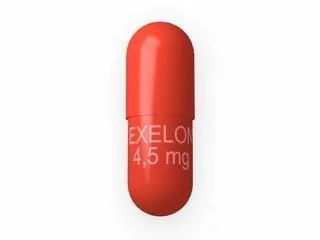
- Comes as a hard capsule, available as the originator Exelon or as generic versions.
What is Rivastigmine?
Rivastigmine belongs to a class of drugs known as cholinesterase inhibitors. It acts on the nervous system to improve communication between brain cells, which facilitates better cognitive function in patients with specific neurodegenerative conditions. It belongs to the broader field of Neurology, where maintaining nerve signalling is a primary objective.
What Rivastigmine is used for
This medication is primarily indicated to treat mild to moderate dementia. It is commonly associated with Dementia of Alzheimer’s Type, where it addresses memory loss and confusion. Additionally, clinicians may select it for Parkinson’s Disease Dementia to support cognitive alertness and daily functioning.
How does Rivastigmine work?
Rivastigmine works by blocking the enzyme acetylcholinesterase. In a healthy brain, this enzyme breaks down acetylcholine, a chemical messenger responsible for memory and learning. By inhibiting this breakdown, the medication increases the availability of acetylcholine in the brain, which supports improved nerve signalling between remaining functional neurons.
Rivastigmine brands and forms
The primary form for this medication is the Capsule, hard, designed for consistent release. While the originator product Exelon remains the standard, generics allow for wider availability. Selecting the correct dose depends on personal tolerability and the specific diagnosis being managed by the patient.
Safety overview for Rivastigmine
What to check before using this medicine
Disclose all existing neurological or cardiac health factors before starting treatment. Ensure you check for known hypersensitivity to carbamate derivatives, as these may trigger adverse reactions. Monitor existing gastric issues, as cholinesterase inhibitors can increase stomach acid.
Possible reactions and tolerability
Common responses may include nausea, vomiting, dizziness, or tremors. These are often linked to the drug’s effect on neurotransmitters and frequently subside as the body acclimatises to the therapeutic dose. Any persistent or severe reaction requires medical attention.
Interactions and health factors
Rivastigmine can interact with other drugs that affect cholinergic activity or anticholinergic medications. Inform a healthcare provider about all current treatments, supplements, and herbals to avoid interference. Product labelling and verified clinical sources remain the correct references for specific contraindications, interactions and reactions.
Further reading
What is rivastigmine used for?
Rivastigmine is used to manage the cognitive symptoms of mild to moderate Alzheimer's dementia and cognitive decline linked to Parkinson's disease. It addresses memory loss, confusion and cognitive alertness in these conditions.
How does rivastigmine work?
Rivastigmine works by blocking the enzyme acetylcholinesterase, which normally breaks down acetylcholine in the brain. By slowing this breakdown, it increases the availability of acetylcholine and supports signalling between remaining nerve cells.
How long does rivastigmine take to work?
Rivastigmine usually takes 2 to 4 weeks to show its full effect.
What are the side effects of rivastigmine?
Common side effects include nausea, vomiting, dizziness and diarrhoea. Some people may also experience loss of appetite, weight loss, insomnia or abdominal pain, and serious effects such as gastrointestinal ulcer, bradycardia or seizures need immediate medical attention. Speak to a doctor or pharmacist if you have any concerns.
Can rivastigmine be taken with other medicines?
Rivastigmine can interact with other drugs that affect cholinergic activity, including metoclopramide, beta-blockers and anticholinergic agents. Tell a doctor or pharmacist about all your current treatments, supplements and herbals to avoid interference.
Who should not take rivastigmine?
People with a known hypersensitivity to rivastigmine or to carbamate-type compounds should be identified before starting treatment, and it is contraindicated in severe hepatic impairment. Existing neurological, cardiac or gastric health factors should also be disclosed beforehand.
Which rivastigmine products does Yasabai sell?
Products containing rivastigmine include Exelon. Compare forms, strengths and packs in the listings above.
Can I buy rivastigmine over the counter in Thailand?
Yes. In Thailand rivastigmine is sold by pharmacists without a prescription, and Yasabai does not ask for one either. We are an online store, not a dispensing pharmacy; we arrange your order and delivery on your behalf.
Ordering without a prescription →Do you deliver rivastigmine to Thailand?
Yes. Our pharmacy partners ship from India to Thailand and across Asia in discreet packaging. Standard Airmail takes up to 3 weeks; Express Tracked Courier takes up to 1 week.
How ordering works →