
Tolterodine
Tolterodine is a medication utilised in the management of urinary symptoms associated with an Overactive Bladder. Available brands include Detrusitol and its extended-release version, Detrusitol XL. Detrol and Detrol LA are available as two formulations for those experiencing involuntary urinary frequency or urgency.
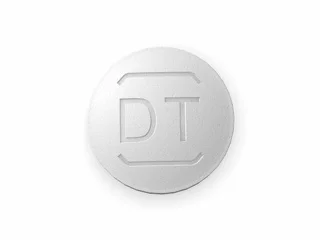

Key points
- An antimuscarinic that blocks acetylcholine in the bladder muscle, letting it hold more urine before triggering the urge to void.
- Prescribed for overactive bladder symptoms such as urgency, frequency and urge incontinence.
- Comes as a standard tablet or an extended-release capsule intended to keep levels steadier across the day.
- Dry mouth, fatigue and blurred vision are common effects, and caution is needed with glaucoma or urinary retention.
What is Tolterodine?
Tolterodine is an antimuscarinic medication designed to manage bladder muscle function. By balancing muscle activity, it helps reduce the sensation of needing to urinate frequently or suddenly. It is a standard option within Bladder Health.
What Tolterodine is used for
This medication primarily addresses symptoms related to an Overactive Bladder. It is used for individuals experiencing urgency, increased frequency of urination, or urge incontinence. Improving these symptoms helps restore control and comfort in daily activities.
How does Tolterodine work?
Tolterodine targets the specific receptors in the bladder smooth muscle responsible for involuntary contractions. By blocking the action of acetylcholine, a chemical messenger that signals the bladder to contract, it increases the volume the bladder can hold before triggering the need to urinate. This adjustment helps extend the intervals between voids and reduces the sudden urge to go.
Tolterodine brands and forms
The available product range features both innovator and generic formulations, such as Detrusitol and Detrol. Patients may choose between a standard film-coated tablet or a prolonged-release capsule, hard. Extended-release options are often formulated to maintain steady levels of the medication in the system throughout the day, which may offer more consistent control for certain users.
Safety overview for Tolterodine
What to check before using this medicine
Ensure you understand your underlying health profile, particularly regarding conditions like glaucoma, urinary retention or severe gastrointestinal issues.
Possible reactions and tolerability
Common responses can include dry mouth, feelings of fatigue or blurred vision. These effects vary based on individual sensitivity to antimuscarinic compounds.
Interactions and health factors
Certain medications processed by the same liver enzymes can influence how your body handles this compound. Product labelling and verified clinical sources remain the correct references for specific contraindications, interactions and reactions.
Further reading
What is tolterodine used for?
Tolterodine is used for the symptoms of an overactive bladder, including urgency, increased frequency of urination and urge incontinence. It helps restore control and comfort in daily activities.
How does tolterodine work?
Tolterodine is an antimuscarinic that blocks the action of acetylcholine, the chemical messenger that signals the bladder to contract. This increases the volume the bladder can hold before triggering the need to urinate.
How long does tolterodine take to work?
Tolterodine starts to work within 1 to 2 hours, and its effects last 12 to 24 hours.
What are the side effects of tolterodine?
Common side effects include dry mouth, dyspepsia, headache and constipation. Other effects can include somnolence, blurred vision, urinary tract infection and dry eyes. Speak to your doctor or pharmacist if you are concerned about any reaction.
Can tolterodine be taken with other medicines?
Certain medicines processed by the same liver enzymes can affect how your body handles tolterodine. Interactions are listed with other anticholinergics, potassium and metoclopramide, so check with your doctor or pharmacist before combining treatments.
Who should not take tolterodine?
Tolterodine is not suitable if you have urinary retention, uncontrolled angle-closure glaucoma, severe hepatic impairment or a hypersensitivity to tolterodine. Your underlying health profile should be understood before using this medicine, so discuss these conditions with your doctor or pharmacist.
Which tolterodine products does Yasabai sell?
Products containing tolterodine include Detrol and Detrol LA. Compare forms, strengths and packs in the listings above.
Which brands contain tolterodine?
Besides the products listed here, tolterodine is sold under brand names such as Detrusitol and Detrusitol XL. Names differ from country to country, so the active ingredient is the surest way to compare.
Do I need a prescription for tolterodine in Thailand?
No. In Thailand tolterodine is sold by pharmacists without a prescription, and Yasabai does not ask for one either. We are an online store, not a dispensing pharmacy; we arrange your order and delivery on your behalf.
Ordering without a prescription →Where can I buy tolterodine online?
Our pharmacy partners ship from India to Thailand and across Asia in discreet packaging. Standard Airmail takes up to 3 weeks; Express Tracked Courier takes up to 1 week.
How ordering works →Related articles

23 Sept 2026 ⋅ 7 min read
Overactive Bladder in an Air-Conditioned Life
The medicines that calm an overactive bladder work partly by drying you out, and one of the things they dry is sweat. In a temperate country that is a nuisance. In this one it removes part of how you cope with the street outside.
Read guide