
Bacterial Infection
A bacterial infection occurs when harmful bacteria enter the body and multiply faster than the immune system can contain them. They are among the most common reasons people seek medical attention, affecting the skin, respiratory tract, urinary system, ears, and gut.


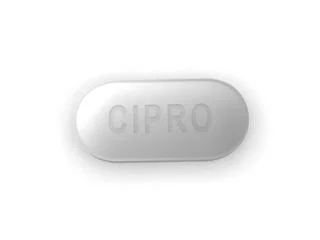









Zithromax Dispersible
100mg
Zithromax Dispersible is azithromycin 100mg in a tablet that disperses in water, for bacterial infection. It binds the 50S ribosomal subunit.



Chloromycetin
250 · 500mg
Chloramphenicol 250mg and 500mg hard capsules, used for bacterial infection and typhoid fever. It binds the 50S ribosomal subunit in bacteria.






Key points
- Symptoms depend heavily on the site affected, from a sore throat and cough to burning on urination or ear pain after a cold.
- Unlike many viral illnesses, bacterial infections tend to worsen rather than improve if left untreated.
- Clavulanate is sometimes added alongside amoxicillin to overwhelm bacterial strains that would otherwise resist it alone.
- Trimethoprim is commonly used for urinary infections, while clarithromycin covers atypical organisms responsible for some chest infections.
Where bacteria tend to strike
Symptoms vary widely depending on the site of infection. Throat and chest infections bring coughing, fever, and soreness. Skin infections cause redness, swelling, and sometimes discharge. Urinary infections produce burning on urination and frequent urgency. Ear and sinus infections often arrive with pain and pressure after a cold. The common thread is that symptoms tend to worsen without treatment rather than clearing on their own.
How bacterial infections are treated
Antibiotics are the primary treatment. The right choice depends on the type of bacteria and where the infection is. Broad-spectrum agents such as amoxicillin and cephalexin are widely used for respiratory and skin infections. When resistance is a concern, amoxicillin is sometimes combined with clavulanate to overcome bacteria that would otherwise survive it. Clarithromycin covers atypical organisms that cause walking pneumonia, common throughout humid tropical climates. Urinary infections respond well to trimethoprim. Chloramphenicol remains useful for certain serious infections where other options have failed. The full antibiotics range includes medicines covering most common bacterial conditions.
When to get help promptly
Seek medical attention if a fever climbs above 39 C, if symptoms do not improve after two to three days of treatment, or if a wound shows spreading redness or red streaks. In children under three months and in older adults with chronic conditions, bacterial infections can deteriorate quickly, so early assessment matters.
Further reading
What is a bacterial infection?
A bacterial infection happens when harmful bacteria get into the body and multiply faster than the immune system can hold them back. These infections are among the most common reasons people go to a doctor and can affect the skin, breathing passages, urinary system, ears and gut.
What are the symptoms of a bacterial infection?
Symptoms depend on which part of the body is affected. Throat and chest infections cause cough, fever and soreness, skin infections cause redness and swelling, urinary infections cause burning when passing urine, and ear or sinus infections often bring pain and pressure after a cold.
When should I see a doctor about a bacterial infection?
Get medical help if a fever rises above 39 C, if symptoms have not improved after two to three days of treatment, or if a wound shows spreading redness or red streaks. Young infants under three months and older adults with long-term conditions should be assessed early because infections can worsen quickly in these groups.
Which treatments for bacterial infections can I order?
The medicines listed for bacterial infections include products containing amoxicillin, clavulanic acid and cephalexin. Examples include Augmentin and Amoxil. Each product page lists the strengths and forms.
Can I buy medicines for bacterial infections over the counter in Thailand?
Yes, online. Yasabai does not ask for a prescription to order medicines for bacterial infections. We are an online store, not a dispensing pharmacy; we arrange your order and delivery on your behalf.
Ordering without a prescription →Can I order medicines for bacterial infections online in Thailand?
Yes. Our pharmacy partners ship from India to Thailand and across Asia in discreet packaging. Standard Airmail takes up to 3 weeks; Express Tracked Courier takes up to 1 week.
How ordering works →