
Chloromycetin
Bacterial Infection, Typhoid Fever
250 · 500mg
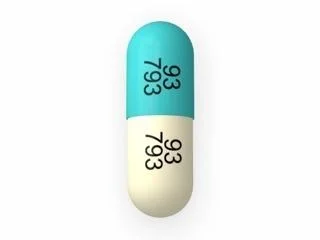
Chloramphenicol 250mg and 500mg hard capsules, used for bacterial infection and typhoid fever. It binds the 50S ribosomal subunit in bacteria.
From$0.65/ tabletView
Chloramphenicol (such as Chloromycetin) is a potent antibiotic used to manage serious conditions, including Bacterial Infection. It acts against a wide range of microorganisms responsible for Severe Bacterial Infections.
Bacterial Infection, Typhoid Fever
250 · 500mg
Chloramphenicol 250mg and 500mg hard capsules, used for bacterial infection and typhoid fever. It binds the 50S ribosomal subunit in bacteria.
Chloramphenicol is a broad-spectrum medicinal agent belonging to the class of Antibiotics. It is primarily utilised when other treatment options are not suitable or in cases of serious illness where targeted therapy is required. Because this compound carries significant potential for adverse effects, its application is generally reserved for life-threatening or difficult-to-treat scenarios.
Physicians typically consider this medication for specific, severe conditions that require potent antimicrobial action. It is frequently associated with the management of Typhoid Fever, where it helps inhibit the proliferation of the causative bacteria.
This medication acts by inhibiting protein synthesis in bacteria. By binding to a specific component of the bacterial ribosome, it prevents the organism from creating the essential proteins needed for growth and replication. This interruption stops the spread of the infection and allows the natural immune system to clear the pathogen more efficiently.
Patients may encounter well-known originator brands such as Kemicetine or Chloromycetin. These products are manufactured to ensure the correct concentration of the active compound is delivered. The current listing includes the following form:
Prior to initiating a course of this antibiotic, ensure you have discussed your full medical history with a doctor, specifically regarding any history of blood disorders, liver conditions, or bone marrow suppression.
Common reactions can involve gastrointestinal distress, such as nausea, or more serious blood-related signs. If you experience dizziness, unusual bruising, a pale complexion, or persistent fever during treatment, seek medical guidance promptly.
Alcohol, certain anticoagulants, and other medications that suppress bone marrow function may interact with this compound. Product labelling and verified clinical sources remain the correct references for specific contraindications, interactions and reactions.
Chloramphenicol is a potent antibiotic used to manage serious conditions including bacterial infection. It is reserved mainly for serious infections where other antibiotics are unsuitable and is closely linked with treating typhoid fever.
Chloramphenicol works by binding to a component of the bacterial ribosome, blocking the proteins bacteria need to grow. This interruption stops the spread of the infection and allows the natural immune system to clear the pathogen more efficiently.
Common reactions can include blurred vision or nausea, while diarrhoea and skin rash are moderate effects. More serious blood related signs such as aplastic anaemia and bone marrow suppression require immediate medical attention, so seek medical guidance promptly if they occur.
Chloramphenicol should not be used by anyone with a hypersensitivity to chloramphenicol, porphyria, or bone marrow depression. Before starting a course, discuss your full medical history with a doctor, especially any history of blood disorders, liver conditions, or bone marrow suppression.
Products containing chloramphenicol include Chloromycetin. Compare forms, strengths and packs in the listings above.
Besides the products listed here, chloramphenicol is sold under brand names such as Kemicetine. Names differ from country to country, so the active ingredient is the surest way to compare.
No. In Thailand chloramphenicol is sold by pharmacists without a prescription, and Yasabai does not ask for one either. We are an online store, not a dispensing pharmacy; we arrange your order and delivery on your behalf.
Ordering without a prescription →Our pharmacy partners ship from India to Thailand and across Asia in discreet packaging. Standard Airmail takes up to 3 weeks; Express Tracked Courier takes up to 1 week.
How ordering works →