Warfarin Tablets
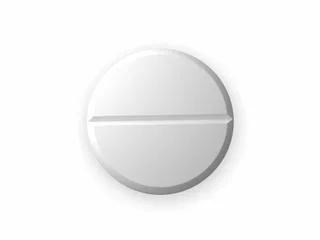
1 · 2 · 5mg
Warfarin 1mg, 2mg and 5mg tablets, used in the management of atrial fibrillation, thromboembolism and deep vein thrombosis. A vitamin K antagonist.
From$0.40/ tabletView
Deep vein thrombosis (DVT) occurs when a blood clot forms inside a deep vein, most often in the calf or thigh. The clot can block blood flow and, if it breaks free and travels to the lungs, cause a pulmonary embolism, a medical emergency. Long-haul flights are a recognised risk factor, making DVT awareness particularly relevant for frequent travellers.
1 · 2 · 5mg
Warfarin 1mg, 2mg and 5mg tablets, used in the management of atrial fibrillation, thromboembolism and deep vein thrombosis. A vitamin K antagonist.
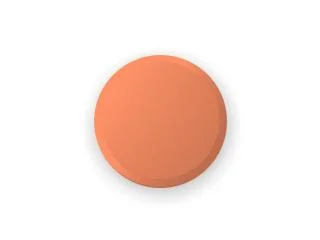
10mg
Rivaroxaban 10mg tablets, used in the management of deep vein thrombosis, pulmonary embolism and stroke prevention in atrial fibrillation.
The affected limb may swell, feel warm, and show a dull ache or tightness that worsens when standing or walking. Skin can look red or take on a bluish tinge. Some DVTs cause no obvious symptoms at all, which is why sudden leg swelling after a period of immobility should always be assessed promptly. If you develop chest pain, rapid breathing, or cough up blood, seek emergency care immediately as these suggest the clot has reached the lungs.
Treatment centres on anticoagulants, medicines that prevent the clot from growing and reduce the risk of new ones forming. Warfarin has been the longstanding oral option and requires regular blood monitoring to maintain the correct dose. Newer direct oral anticoagulants such as rivaroxaban offer a fixed dose without routine blood tests and are now widely used as a first-line choice. Both approaches fall under heart and blood pressure management more broadly. Treatment typically continues for three to six months, sometimes longer depending on the underlying cause and clot severity.