
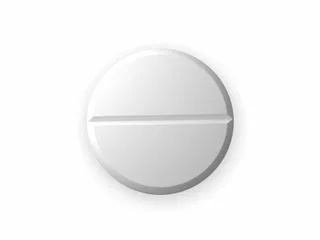
Warfarin Tablets
Atrial Fibrillation, Thromboembolism
1 · 2 · 5mg
Warfarin 1mg, 2mg and 5mg tablets, used in the management of atrial fibrillation, thromboembolism and deep vein thrombosis. A vitamin K antagonist.
From$0.40/ tabletView
Warfarin (generically available, and known under brands like Marevan and Warfant) acts as an anticoagulant to reduce the risk of dangerous clotting. This medication addresses a range of cardiovascular conditions, with Warfarin Tablets the primary listed formulation.
Atrial Fibrillation, Thromboembolism
1 · 2 · 5mg
Warfarin 1mg, 2mg and 5mg tablets, used in the management of atrial fibrillation, thromboembolism and deep vein thrombosis. A vitamin K antagonist.
Managing blood coagulation requires specific therapeutic compounds like Warfarin. This agent belongs to the vitamin K antagonist class and provides a way to regulate the blood’s ability to form clots. Because individual response varies based on lifestyle and health factors, widely recognised brands like Marevan or Warfant exist to provide consistent supply.
Regular monitoring and coordination with a doctor remain necessary when utilising this compound. The availability of standardised tablet forms allows for the precise titration of the dose, which accommodates the subtle biological needs of individual patients and their specific blood coagulation profiles.
Usage of this anticoagulant centers on preventing clot formation in conditions such as Atrial Fibrillation, Thromboembolism, and Deep Vein Thrombosis. Often, it falls under the Heart & Blood Pressure category.
Healthcare providers may suggest this medication to reduce the formation of clots in the heart or blood vessels. By slowing the coagulation process, the medicine decreases the risk of clots traveling to key organs.
Blocking the production of vitamin K-dependent clotting factors in the liver constitutes the primary mechanism of action. By inhibiting these specific proteins, the medication extends the time required for blood to clot.
This process prevents the enlargement of existing clots and stops the formation of new potential blockages. Patients require stable levels of the compound in their system to maintain the desired effect on blood coagulation rates.
Manufacturers produce this medication in standard tablet varieties, which ensure accurate dosing. Brands such as Marevan and Warfant represent established options for those seeking consistent quality. The focus on tablet formulation allows patients to manage their routine with predictable and reliable dosages.
Review individual health records, including any history of bleeding disorders, liver function, or current medications that might increase bleeding risk. Food intake, particularly sources high in vitamin K, influences the effectiveness of the treatment and requires consistent monitoring.
Common reactions relate to the thinning of the blood, which may result in longer bleeding times after minor injuries or increased bruising. Any sign of unusual bleeding, such as frequent nosebleeds or persistent gum bleeding, warrants prompt medical attention.
Alcohol, certain herbal supplements, and other medications alter how the body processes this anticoagulant. Maintaining a stable state of health and avoiding sudden changes in diet or medication schedule supports the desired physiological response. Product labelling and verified clinical sources remain the correct references for specific contraindications, interactions and reactions.
Warfarin is used in conditions such as atrial fibrillation, thromboembolism and deep vein thrombosis to lower the risk of clots reaching major organs. It works by slowing the liver's production of clotting factors.
Warfarin is a vitamin K antagonist that blocks the liver's production of vitamin K-dependent clotting factors, so blood takes longer to clot. This reduces the risk of new clots forming.
Warfarin takes 48 to 72 hours to start working, and its effects last 2 to 5 days after the last dose.
Common reactions relate to thinning of the blood, such as bruising and minor bleeding. You may also see epistaxis, haematuria or alopecia, and major haemorrhage or calciphylaxis need immediate medical attention. Speak to a doctor or pharmacist if you notice unusual bleeding.
Alcohol alters how the body processes this anticoagulant, so it is best to avoid alcohol or limit intake while taking warfarin. Certain herbal supplements and other medications also alter how the body processes this anticoagulant, so check with a doctor or pharmacist before making changes.
Warfarin is not suitable in pregnancy, severe hypertension, haemorrhagic conditions or severe hepatic impairment. A history of bleeding disorders, current liver function and any medications that might increase bleeding risk should be reviewed with a doctor beforehand.
Products containing warfarin include Warfarin Tablets. Compare forms, strengths and packs in the listings above.
Besides the products listed here, warfarin is sold under brand names such as Marevan and Warfant. Names differ from country to country, so the active ingredient is the surest way to compare.
Yes, online. Yasabai does not ask for a prescription to order warfarin. We are an online store, not a dispensing pharmacy; we arrange your order and delivery on your behalf.
Ordering without a prescription →Yes. Our pharmacy partners ship from India to Thailand and across Asia in discreet packaging. Standard Airmail takes up to 3 weeks; Express Tracked Courier takes up to 1 week.
How ordering works →