
Menopausal Flushing
Menopausal flushing, often called hot flushes or hot flashes, is one of the most common symptoms of menopause. A sudden wave of heat spreads across the face, neck and chest, often followed by sweating, redness and a rapid heartbeat. Episodes can last anywhere from a few seconds to several minutes, and in some women they persist for years after periods stop.
Key points
- Heat can spread rapidly over the face, neck and chest during an episode, with sweating, skin redness and a quickened pulse often following.
- Falling oestrogen disturbs the hypothalamus’s temperature control, which is thought to trigger the flush response itself.
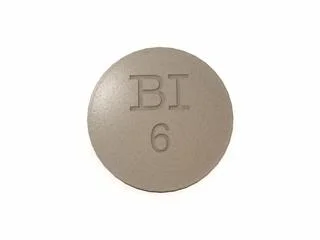
- Clonidine, more familiar as a blood pressure treatment, can ease flushing by calming the nerve signals that widen blood vessels.
Managing the heat
Hormone changes are the root cause: falling oestrogen levels disrupt the body’s temperature-control mechanism in the hypothalamus, triggering the flush response. Non-hormonal medicines can help when hormonal options are unsuitable. Clonidine, a compound also used in heart and blood pressure care, works by calming the nerve signals that trigger blood vessel dilation, reducing both the frequency and intensity of flushes. Lifestyle adjustments, keeping rooms cool, wearing natural fabrics, limiting caffeine and alcohol, and practising slow breathing at the onset of a flush, can complement any medical treatment.