
Clonidine
Administering Clonidine, notably sold as Catapres, provides a method to manage blood pressure and specific neurological conditions. Depending on the formulation, the compound addresses varied health needs for patients seeking treatment. Two variations are available, Catapres and Combipres.
Key points
- Acts on alpha-2 receptors in the brain rather than directly on blood vessels, lowering nerve signals that raise blood pressure.
- Used not only for high blood pressure but also to help prevent migraine and ease menopausal flushing.
- Available as Catapres and Combipres, both delivering the same active compound in tablet form.
- Dry mouth, light-headedness and drowsiness are common at first, though tolerability tends to improve as the body adjusts.
What is Clonidine?
Alpha-agonist agents classify Clonidine among centrally acting antihypertensives. Unlike medications that act directly on peripheral blood vessels, this compound influences the brain’s regulation of systemic blood flow. Many patients seek this medication due to its established profile for managing multiple conditions beyond simple blood pressure elevation.
What Clonidine is used for
Medical practitioners utilise Clonidine to address Hypertension, Migraine Prophylaxis, and Menopausal Flushing. Targeting the nervous system signals that control constriction of the vessels assists patients in maintaining more stable pressure levels and reducing the frequency of specific chronic symptoms.
How does Clonidine work?
Alpha-2 adrenergic receptors in the brain interact with this compound to reduce sympathetic outflow. Lowering these nerve impulses causes the vessels to relax and widens the pathways for blood flow, which eases the workload on the heart and prevents excessive resistance within the circulatory system.
Clonidine brands and forms
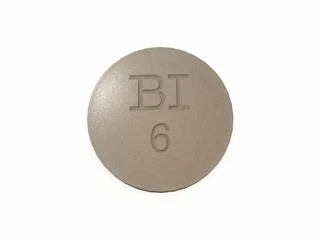
Forms available within the Heart & Blood Pressure category include the standard Tablet. Both original brands like Catapres and generic equivalents such as Combipres contain the same active compound, allowing patients to select options that best align with their individual requirements or physician recommendations.
Safety overview for Clonidine
What to check before using this medicine
Underlying cardiovascular or renal conditions warrant careful consideration before starting treatment. Assessing any history of bradycardia or severe blood pressure fluctuations remains essential to ensure the medication aligns with your current health status.
Possible reactions and tolerability
Common physiological responses include dryness of the mouth, lightheadedness, or drowsiness as the system adjusts to the reduction in sympathetic nerve activity. Gradual adjustment to the medication generally improves tolerability over time.
Interactions and health factors
Concomitant use of central nervous system depressants or other antihypertensives may amplify sedation or blood pressure reduction effects. Product labelling and verified clinical sources remain the correct references for specific contraindications, interactions and reactions.
Further reading
What is clonidine used for?
Clonidine is used to treat hypertension, to help prevent migraine, and to ease menopausal flushing. It works on nervous system signals that control the narrowing of blood vessels, which helps keep pressure levels more stable and reduces the frequency of certain chronic symptoms.
How does clonidine work?
Clonidine acts centrally on alpha-2 adrenergic receptors in the brain stem, which inhibits sympathetic outflow from the central nervous system. This lowers peripheral vascular resistance and eases the workload on the heart.
How long does clonidine take to work?
Clonidine usually starts to work within 30 to 60 minutes, and its effect lasts about 8 hours. Individual responses can vary, so a doctor or pharmacist can advise on what to expect.
What are the side effects of clonidine?
Common side effects include dry mouth, drowsiness, sedation and dizziness, along with constipation, headache, fatigue and nausea. Serious effects needing immediate medical attention include bradycardia, arrhythmia and depression, so speak to a doctor or pharmacist if you are concerned.
Can clonidine be taken with alcohol?
Alcohol can interact with clonidine. Using them together may amplify sedation, so it is best to check with a doctor or pharmacist before drinking alcohol while taking this medicine.
Can clonidine be taken with other medicines?
Clonidine may interact with sedatives and beta-blockers. Using it with central nervous system depressants or other antihypertensives may amplify sedation or blood pressure reduction effects, so a doctor or pharmacist should review your medicines.
In which products can I find clonidine?
Products containing clonidine include Catapres and Combipres. Compare forms, strengths and packs in the listings above.
Can I buy clonidine over the counter in Thailand?
Yes. In Thailand clonidine is sold by pharmacists without a prescription, and Yasabai does not ask for one either. We are an online store, not a dispensing pharmacy; we arrange your order and delivery on your behalf.
Ordering without a prescription →Can I order clonidine online in Thailand?
Yes. Our pharmacy partners ship from India to Thailand and across Asia in discreet packaging. Standard Airmail takes up to 3 weeks; Express Tracked Courier takes up to 1 week.
How ordering works →