
Chloromycetin
250 · 500mg
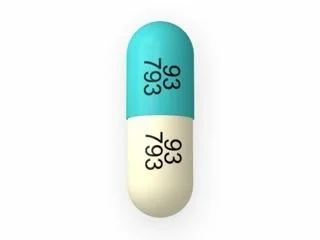
Chloramphenicol 250mg and 500mg hard capsules, used for bacterial infection and typhoid fever. It binds the 50S ribosomal subunit in bacteria.
From$0.65/ tabletView
Severe bacterial infections occur when bacteria invade tissues, the bloodstream, or vital organs at a scale the body cannot contain on its own. Without timely treatment, they can progress to organ failure or sepsis within hours.
250 · 500mg
Chloramphenicol 250mg and 500mg hard capsules, used for bacterial infection and typhoid fever. It binds the 50S ribosomal subunit in bacteria.
Localised infections, a skin wound, a chest cough, a urinary complaint, can escalate. Warning signs that an infection has become severe include high or persistently low temperature, rapid breathing or heart rate, confusion, and skin that looks mottled or pale. In hot, humid climates the barrier between a minor wound infection and a spreading one can close quickly; seek medical attention the same day if these signs appear together.
Doctors select antibiotics based on the suspected bacteria and the site of infection. For certain hard-to-reach infections, bacterial meningitis, typhoid, or infections in patients who cannot tolerate other agents, chloramphenicol remains an important option, particularly in settings where it has long been part of treatment guidelines. The course length matters: stopping early allows resistant bacteria to survive.