
Sitagliptin
Sitagliptin, often known by the originator brand Januvia, is an oral antihyperglycemic medication designed to manage blood glucose levels. Istamet and Januvia are available as two options. These preparations are widely used to support blood sugar control as part of a broader health strategy for patients across our served regions.
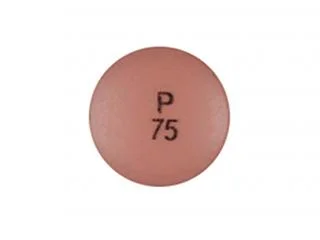

Key points
- Raises incretin hormone levels so the pancreas releases more insulin when blood glucose rises and the liver produces less glucose.
- It is formulated as a film-coated tablet, though manufacturing standards can differ between brand versions like Janumet and Xelevia.
- May increase the risk of low blood sugar when combined with other diabetes medications, so combination use needs monitoring.
What is Sitagliptin?
Sitagliptin belongs to a class of medications known as dipeptidyl peptidase-4 (DPP-4) inhibitors. These formulations are used as a monotherapy or combined with other agents to address metabolic issues arising from pancreatic function. The availability of multiple brand names and generic versions offers patients flexibility in selecting a product suited to their therapeutic requirements.
What Sitagliptin is used for
Sitagliptin is primarily used for the management of Type 2 Diabetes. By stimulating the body’s natural response to carbohydrate intake, it assists those who need to maintain balanced sugar levels. It is a core medication within Diabetes Management protocols.
How does Sitagliptin work?
This medication functions by increasing levels of incretin hormones, which are naturally released by the gut throughout the day. These hormones stimulate the pancreas to produce insulin when blood glucose is elevated and reduce the production of glucose by the liver when it is not needed.
Sitagliptin brands and forms
Sitagliptin is available in a film-coated tablet form. While the active compound remains consistent across preparations such as Janumet and Xelevia, the specific manufacturing standards vary between brands.
Safety overview for Sitagliptin
What to check before using this medicine
Known allergies to the component or related DPP-4 inhibitors require caution. Ensure your history of pancreatitis or kidney issues is fully reviewed by a medical professional to determine suitability.
Possible reactions and tolerability
Common experiences may include upper respiratory tract infections or nasopharyngitis. Some users report gastrointestinal discomfort, such as nausea, though these symptoms often resolve with consistent use.
Interactions and health factors
Sitagliptin may interact with other antihyperglycemic agents, potentially increasing the risk of hypoglycemia. Product labelling and verified clinical sources remain the correct references for specific contraindications, interactions and reactions.
Further reading
What is sitagliptin used for?
Sitagliptin is primarily used for the management of type 2 diabetes. It helps support balanced sugar levels by working with the body's natural response to carbohydrate intake. It is a core medication within diabetes management protocols.
How does sitagliptin work?
Sitagliptin belongs to a class of medications known as dipeptidyl peptidase-4 (DPP-4) inhibitors. It raises incretin hormone levels, which stimulates the pancreas to produce insulin when blood glucose is elevated and reduces liver glucose production when blood glucose is high.
How long does sitagliptin take to work?
Sitagliptin usually starts to work within 1 to 4 hours, and its effect lasts about 24 hours.
What are the side effects of sitagliptin?
Common side effects can include nausea and upper respiratory tract infection. Some people may also experience constipation, and hypoglycaemia can occur when it is combined with insulin or sulphonylureas. Speak to your doctor or pharmacist if you have concerns about any reaction.
Can sitagliptin be taken with other medicines?
Sitagliptin may interact with other antihyperglycemic agents, which can increase the risk of low blood sugar, so combination use needs monitoring. It can also interact with digoxin. Ask your doctor or pharmacist to review your other medicines.
Who should not take sitagliptin?
Sitagliptin should not be used by anyone with a hypersensitivity to sitagliptin or a history of pancreatitis. Allergies to related DPP-4 inhibitors and any kidney problems should be reviewed with a medical professional first.
Which sitagliptin products does Yasabai sell?
Products containing sitagliptin include Januvia and Istamet. Compare forms, strengths and packs in the listings above.
What brand names is sitagliptin sold under?
Besides the products listed here, sitagliptin is sold under brand names such as Xelevia and Janumet. Names differ from country to country, so the active ingredient is the surest way to compare.
Can I buy sitagliptin over the counter in Thailand?
Yes. In Thailand sitagliptin is sold by pharmacists without a prescription, and Yasabai does not ask for one either. We are an online store, not a dispensing pharmacy; we arrange your order and delivery on your behalf.
Ordering without a prescription →Do you deliver sitagliptin to Thailand?
Yes. Our pharmacy partners ship from India to Thailand and across Asia in discreet packaging. Standard Airmail takes up to 3 weeks; Express Tracked Courier takes up to 1 week.
How ordering works →Related articles

23 Sept 2026 ⋅ 5 min read
Diabetes in Singapore: Managing Type 2, Medicines & Steady Supply for Expats
Managing type 2 diabetes in Singapore: the national War on Diabetes, what helps day to day, the common medicines, finding them by active ingredient, and keeping a steady, affordable supply.
Read guide
23 Sept 2026 ⋅ 9 min read
Diabetes Medicines and Weight: Which Cause Loss, Which Cause Gain
A class-by-class look at how type 2 diabetes medicines affect weight, why the same medicine does different things to different people, and what to check when your prescription follows you between countries in Asia.
Read guide